How to Handle FTAs in a Dental Practice
No reminder stops every missed appointment. What protects the practice, and treats patients fairly, is what happens after a failure to attend.
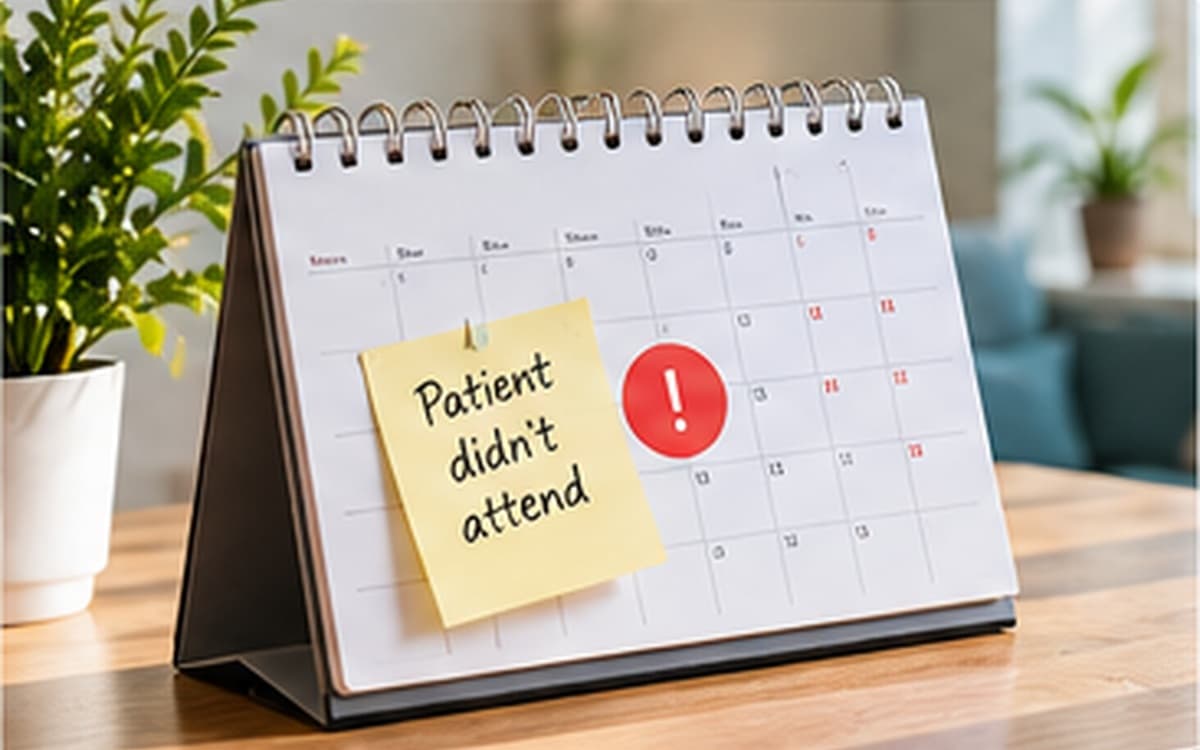
No reminder stops every missed appointment. What protects the practice, and treats patients fairly, is what happens after a failure to attend.
Why an FTA policy matters more than the reminder
Reminders help, but no reminder system stops every missed appointment. What protects the practice, and treats patients fairly, is what happens after a failure to attend: a consistent process, applied the same way by everyone, with a record of what the patient was told.
Missed appointments are a long-running concern in NHS dentistry. Reporting in June 2026 quoted a BDA representative estimating that around one in seven NHS patients at his own practice had missed appointments over the previous year; that is one practice's figure, not a national rate, but it shows why the process matters.
NHS patients in England: what the rules allow
The BDA's guidance for practices providing NHS care in England is the place to start. In summary, the English contract does not allow practices to charge NHS patients for missed appointments, and a single missed appointment is not grounds for removing a patient. Repeated non-attendance can be taken into account when deciding whether the practice can continue to offer that patient appointments, which is why a documented, consistent procedure matters.
Read the BDA guidance in full and take advice before changing how you handle NHS patients. Arrangements differ in Scotland, Wales and Northern Ireland, so check the rules that apply to your practice.
Private patients: deposits and cancellation terms
For private treatment, many practices ask for a deposit to secure an appointment and set out a cancellation window in their terms. Whatever you choose, it has to be explained to the patient before they book, applied consistently and easy to find.
A fair FTA process in five steps
- Record the FTA on the day, against the patient's record and their appointment.
- Contact the patient promptly, on the channel they use, to offer another time without blame.
- Record every contact attempt and what the patient said.
- On a repeat FTA, apply your written policy, with a named person deciding.
- Review FTAs regularly by appointment type and time of day, to spot patterns you can change.
What to say to a patient who missed
The first contact after an FTA sets the tone. A message that assumes the worst makes patients defensive; one that assumes something came up makes rebooking easy. Keep it short, offer another time and say how to reply.
For example: “Sorry we missed you this morning. We hope everything is all right. Would you like us to find you another time for your check-up? Just reply here.” Save any mention of policy for a repeat FTA, and have a person send that message.
Patterns worth looking for
A quarterly look at your FTAs often shows that missed appointments are not spread evenly. Early morning and late afternoon slots, appointments booked a long time in advance and new patient exams for patients who enquired months earlier tend to be where practices look first. Check your own figures rather than assuming; the pattern at your practice is the one that matters.
What software should and should not do
Software can record the FTA, prepare the rebooking message, check it may be sent and keep a record of every attempt. It should not decide your policy, charge NHS patients or remove anybody from a list.
In Clinqly, a missed appointment is recorded against the patient's journey and a short rebooking message is prepared. A person sends it in one click, after Clinqly checks for opt-outs, a colleague already handling the conversation, sending hours and previous attempts. Decisions about repeat FTAs stay with the practice.